

Philipp Engelkamp, co-founder and CEO of Telura, joined host Nick Cestari on the CORE Knowledge podcast. The conversation covers why geothermal matters for Germany’s energy supply and what it takes to reach the heat in hard rock.
Heat that does not depend on a supplier abroad
Germany has a long heating season and little natural gas and oil of its own. Philipp puts the consequence plainly: “We are absolutely depending on our neighbors and partners to supply energy.” Renewable energy is therefore a question of resilience as much as sustainability.
Geothermal already plays a role. Germany has 45 deep geothermal plants in operation, more than ever before, and 43 of them supply heat. Most feed municipal or regional district heating networks. Another 18 are under construction and 178 more are in planning. Nick described what this means at home: a base-level energy source with costs that stay relatively flat instead of spiking with events nobody controls.*
Where conventional drilling slows down
The heat is under our feet in every country. Reaching it is the hard part.
Conventional drilling grinds rock with a bit. That works in the softer rock that oil and gas drilling is used to. Geothermal goes deeper, into rock that is harder, hotter and under more pressure. There the drilling speed drops and the bit wears out.
Each replacement means pulling the whole drill string out and running it back in. These round trips add time, and cost rises exponentially with depth. For many sites, that decides whether a project starts at all.
Breaking rock from within
Telura’s first investor asked for “a drilling process that does not grind.” The technology was researched and developed at several German universities. Different research groups had solved different parts of the problem without knowing of each other. Telura connected them.
In simplified terms, two electrodes are charged with 500,000 volts. The discharge goes through the rock and breaks it from within. The small cuttings are flushed out the conventional way.
Electric Impulse Drilling is built to make hard rock more efficient to drill, with less energy and smaller surface equipment. Philipp also points to a European strength: universities there carry technologies far. This one had reached technology readiness level 5 to 6 before Telura took it on.
From heat to electricity
Most geothermal projects in Germany supply heat. Electricity needs rock at 200 to 400 degrees Celsius, which means drilling a couple of kilometers down. German law currently sets a support level of about 25 cents per kilowatt hour for geothermal electricity, paid over 20 years. Reaching those depths efficiently is where Telura’s technology is aimed.
What comes next
- First field work in a quarry, in hard rock
- First commercial project in mid-2027, a couple of megawatts of geothermal heat
- Drilling multiple kilometers next year
- Develop projects in Colorado and Texas, and with potential customers in South America
Philipp sees growing data center demand as a tailwind in both regions.
Why Philipp chose geothermal
Philipp is an industrial engineer. He co-founded INERATEC, which produces sustainable fuel from green hydrogen and carbon dioxide, and led it as Chief Executive Officer from 2015 to 2024. The company grew to about 160 employees and raised about a quarter of a billion dollars.
After he left, he decided to work only on topics that will matter in 2050. When Telura’s first investor asked him to co-found and lead the company, he said yes within 12 hours. What convinced him is in the episode.
Listen to the full episode: Spotify, Apple
*Plant numbers: Bundesverband Geothermie, deep geothermal project map, February 2026.
Continue reading
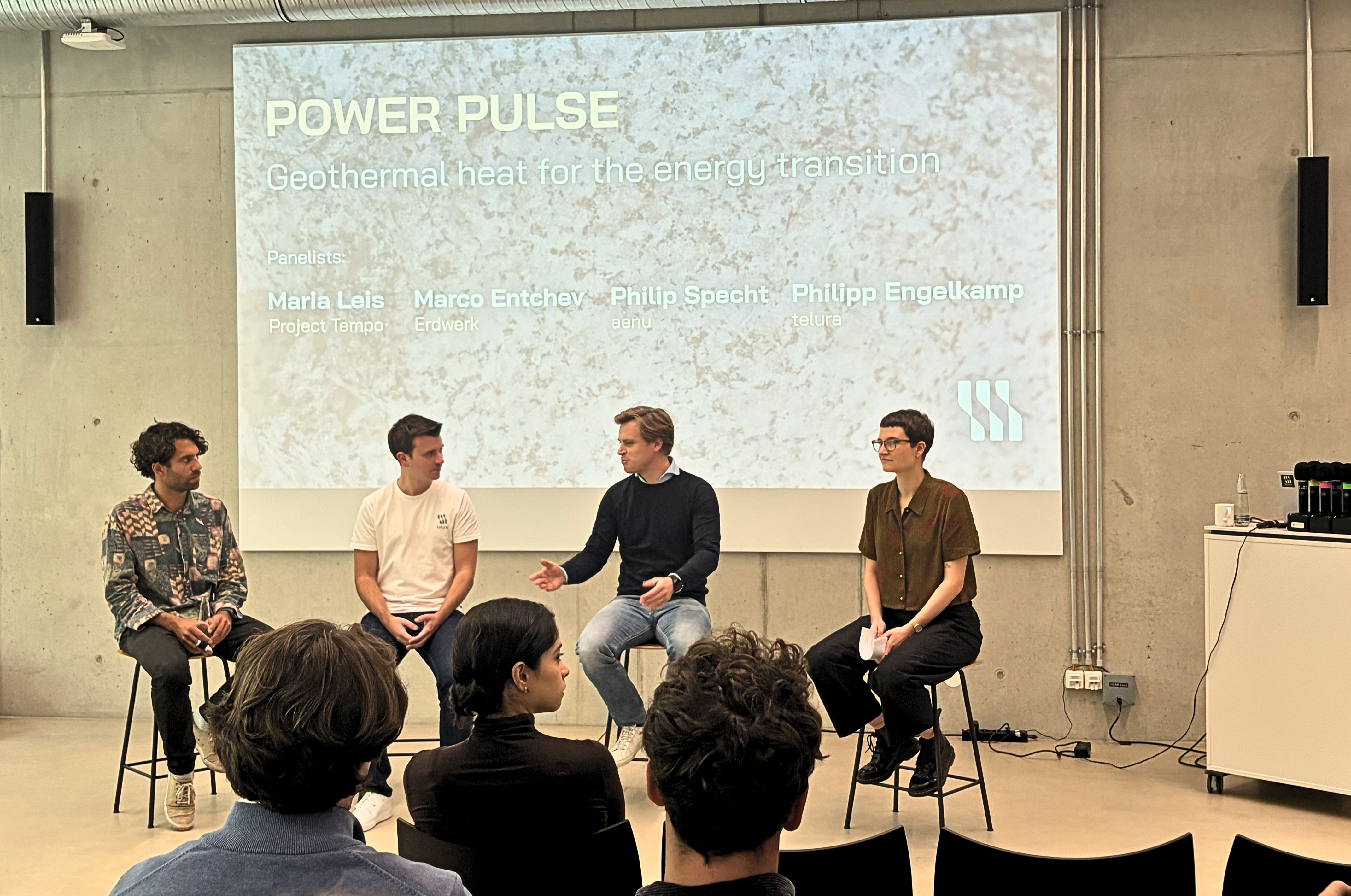
What the sleeping giant of geothermal needs now

What the sleeping giant of geothermal needs now

Telura is on the 2026 Cleantech 50 to Watch list
Telura is on the 2026 Cleantech 50 to Watch list
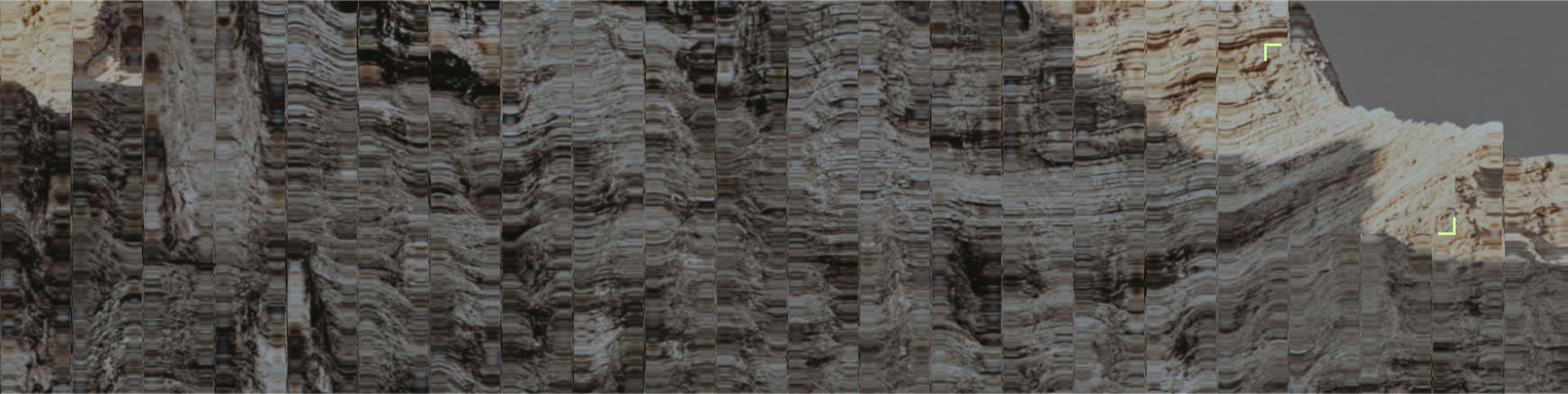
The drilling cost question in deep geothermal
The drilling cost question in deep geothermal

Colorado wants the heat beneath its feet
Colorado wants the heat beneath its feet
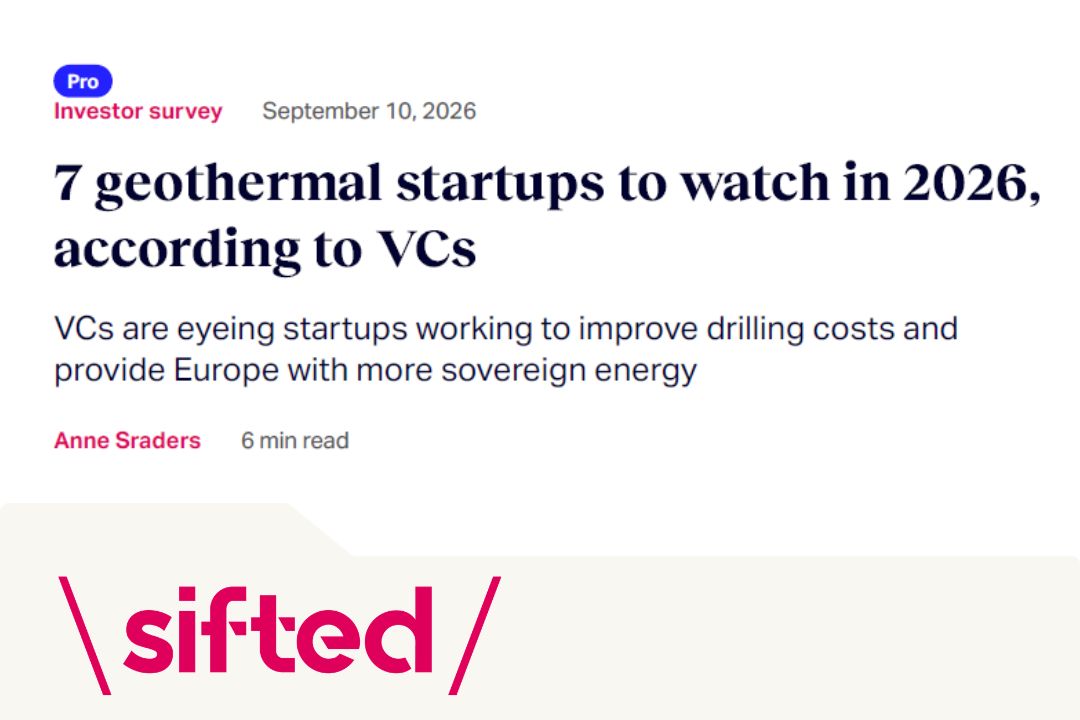
Sifted: Telura named one of seven geothermal startups to watch in 2026
Sifted: Telura named one of seven geothermal startups to watch in 2026
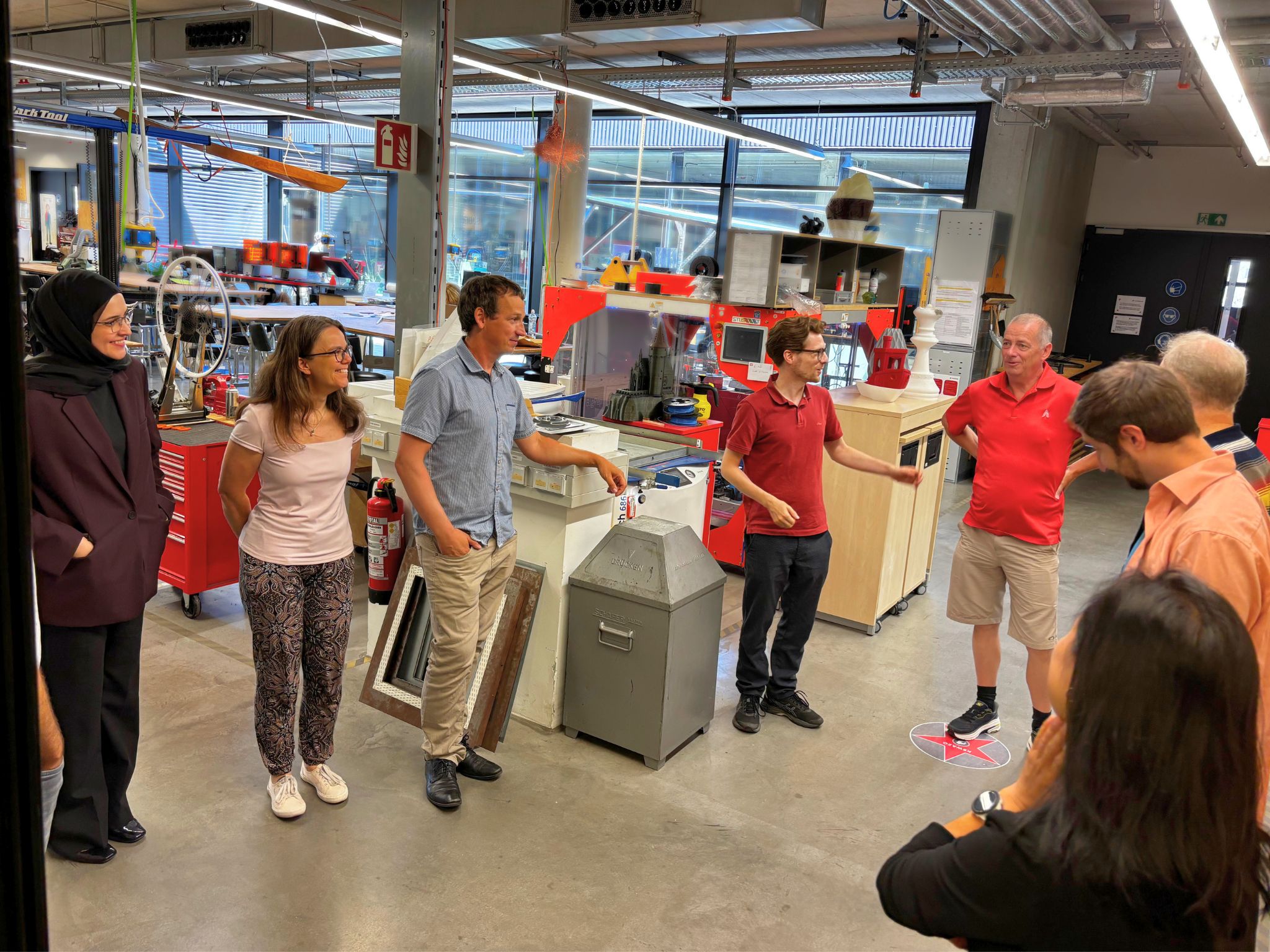
Collaborative effort will unlock geothermal energy
Collaborative effort will unlock geothermal energy


Follow our progress
Join our mailing list to stay in the loop of the latest developments.