

Why the sovereignty premium favors geothermal
Telura is on the 2026 Cleantech 50 to Watch list. Cleantech Group selected 50 early-stage private companies from 12 countries, six of them headquartered in Germany. Three work on geothermal. We are the one breaking rock with lightning.
The list recognizes excellence in innovation. In times where innovation must pay into sovereignty, how does our electric impulse drilling account for that? The answer starts with a shift in how energy is valued.
From green premium to sovereignty premium
"With certainty, we've exited the days of the green premium," said Anthony DeOrsey, Research Manager at Cleantech Group. "We're now firmly entering the age of the sovereignty premium."
The year behind that statement is defined by conflict and trade disruption. According to Cleantech Group, the Iran War has passed the six-month mark, oil prices and supply chains are under strain, and many corporates and investors have moved into a wait-and-see mode. Where capital moves, it follows AI infrastructure and data centers. The race to build AI and the race to secure sovereign supply chains have become the same race.
That race meets resistance on the ground. Cleantech Group counts more than $260 billion of US data center projects cancelled because of local opposition, citing Heatmap. Projects need power that arrives fast and that communities accept.
What sovereignty asks of an energy source
Three things: it is local, it is always on, and it is within reach. Geothermal meets the first two by nature. The heat sits beneath our feet, needs no fuel imports and does not depend on the weather. The third depends on drilling. Where we can drill, we can tap the energy beneath our feet.
Capital already reads it this way
Over the past year, geothermal has drawn serious capital. Google signed a supply agreement with a geothermal developer to power its data centers. In May 2026, a geothermal developer listed on Nasdaq and raised $1.89 billion. Its stock closed the first day up 35 percent. In July, a superhot rock drilling company raised $134 million and signed a hyperscaler customer for its first 50 megawatts.
Cleantech Group describes geothermal as a standout this year. The three geothermal companies on the list each tackle a different part of the value chain.
Demand beyond AI: cooling and seasonal balancing
Power demand reaches beyond AI. Cooling is part of it. After a summer of heat waves across Europe, Cleantech Group expects extreme heat resilience to become a category of its own in 2027.
Geothermal has an answer here that is less known than its power: the ground works as a heat sink. According to the US Department of Energy, geothermal heat pumps absorb excess building heat in summer and supply heat in winter. District networks do the same for many buildings at once. Underground thermal storage can also shift heating and cooling demand away from peak periods for the grid. Seasonal balancing is part of the resource.
Where Telura comes in
Reaching geothermal heat at scale depends on drilling. Our technology, electric impulse drilling, will unlock it. High-voltage pulses break rock from within. This takes less energy, needs fewer bit changes and leaves a smaller footprint at surface. The technology is at prototype stage, and the research behind it comes from our partners TU Dresden, KIT, ETH Zurich and SPRIND.
Cleantech Group writes that innovation is finding its footing where security and resilience meet. We agree, and we build for it.
The technology page explains the principle.
Download the full report here.
Sources
- Cleantech Group, 2026 Watchlist
- US Department of Energy, Geothermal Heating and Cooling
- Heatmap, Local opposition and data center cancellations, 2026
- TechCrunch, 10 December 2025
- IPO Scoop, 13 May 2026
- Bloomberg Law, 7 July 2026
Continue reading

The drilling cost question in deep geothermal

The drilling cost question in deep geothermal

Colorado wants the heat beneath its feet
Colorado wants the heat beneath its feet
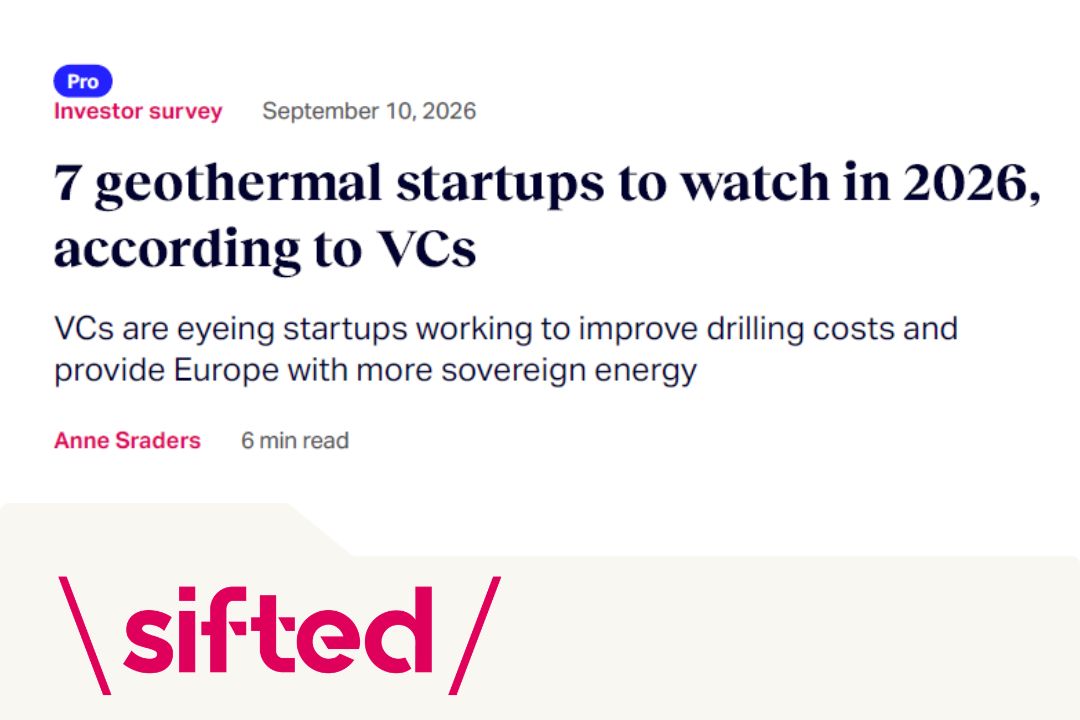
Sifted: Telura named one of seven geothermal startups to watch in 2026
Sifted: Telura named one of seven geothermal startups to watch in 2026
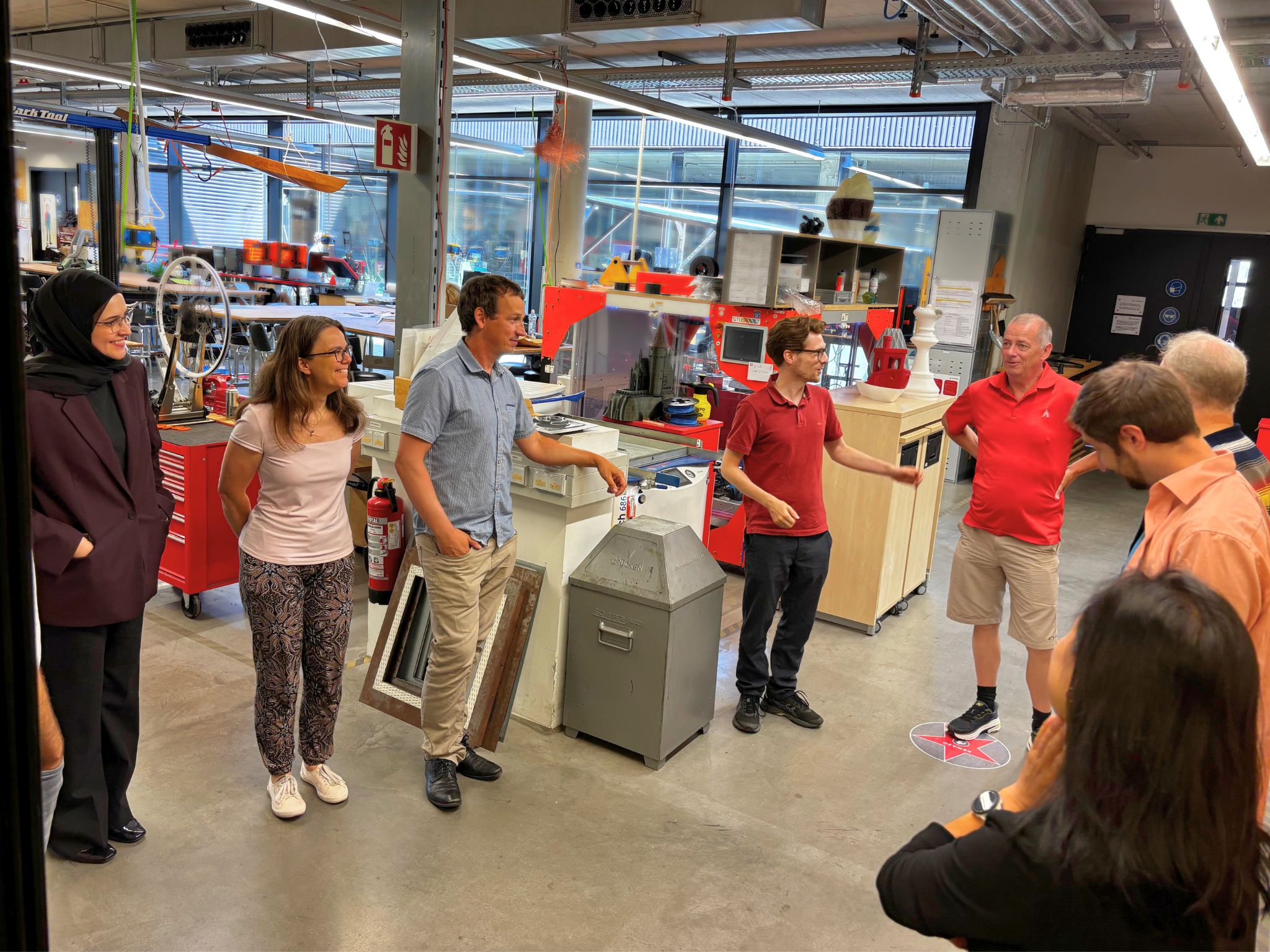
Collaborative effort will unlock geothermal energy
Collaborative effort will unlock geothermal energy


Europe's baseload question, finally on the agenda
Europe's baseload question, finally on the agenda


Follow our progress
Join our mailing list to stay in the loop of the latest developments.