

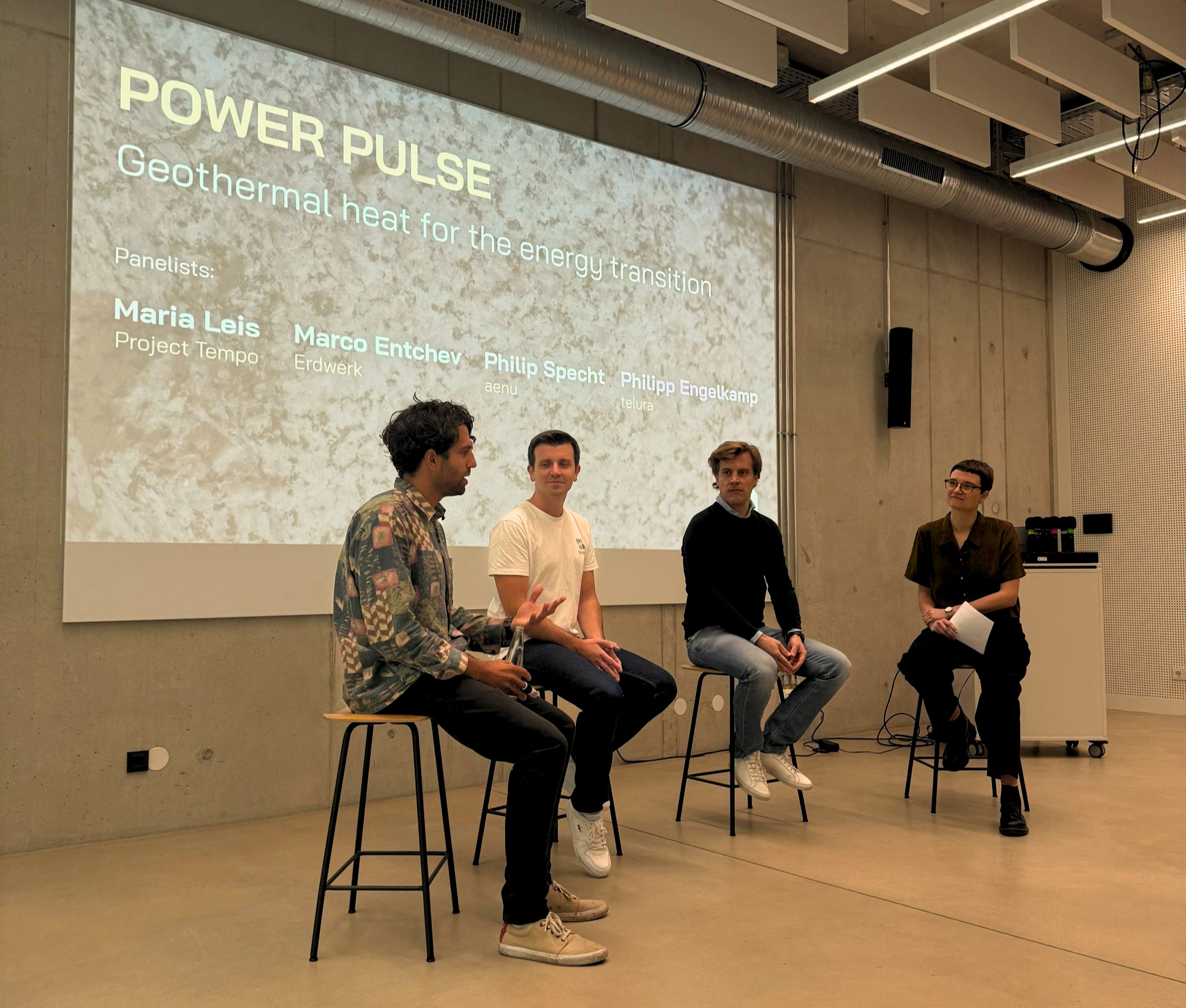
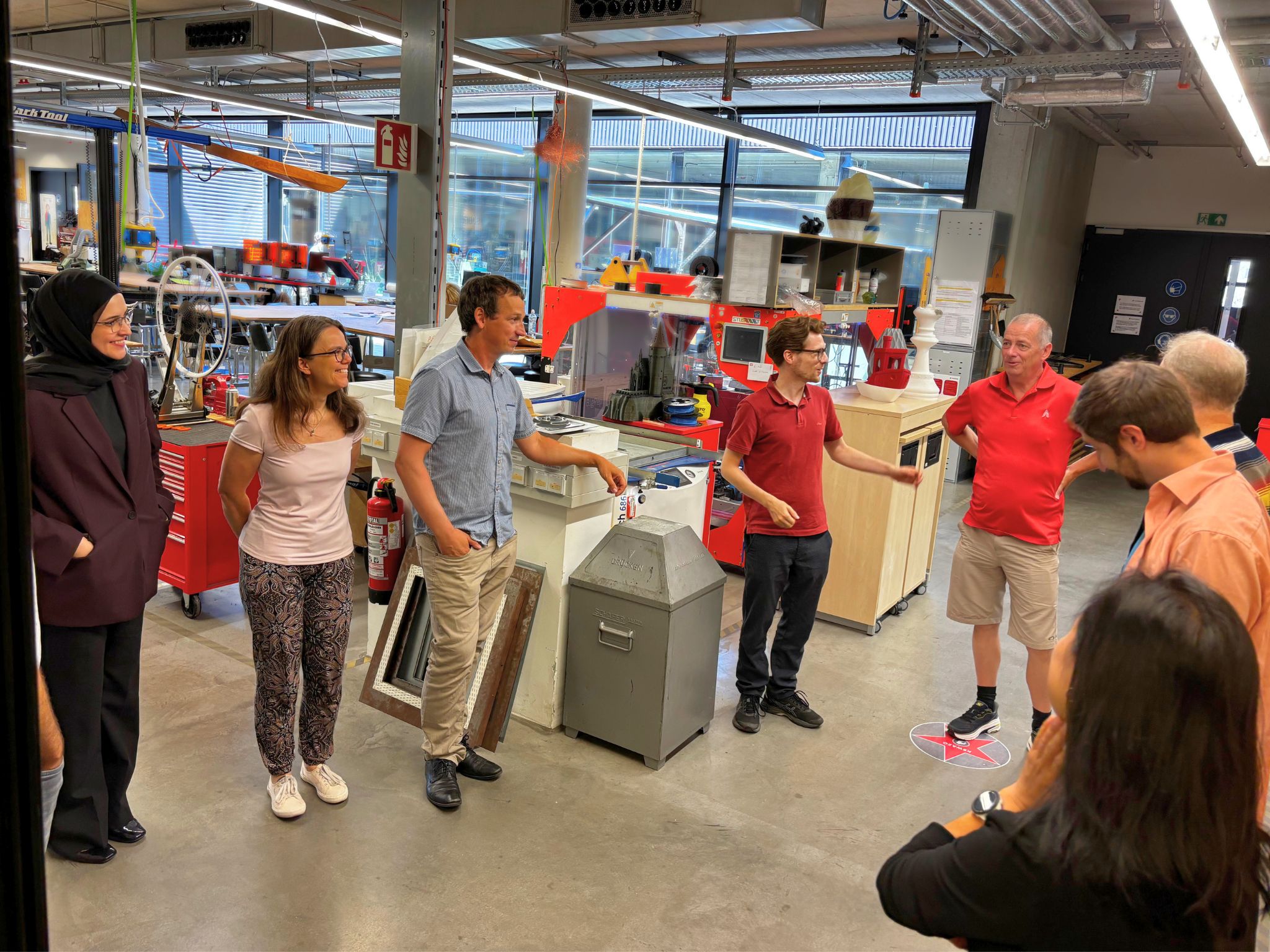
Deep geothermal is the least polarized energy technology in Germany. It has political tailwinds and a huge market opportunity. What it needs now is visible progress in Europe. That was the common line of our POWER PULSE panel at Urban Colab during Munich Climate Week.
Where projects stall
Two factors decide whether a deep geothermal project moves forward: the risk of exploration and the cost of drilling. Instruments from Munich Re and KfW reduce that risk without removing it.
Permitting is the third bottleneck. Geothermal serves the public benefit, and the Geothermal Acceleration Act has been in force since the end of 2025. Permits still move slowly. The panel felt the political tailwind. It now has to translate into action at the authorities.
What moves projects
Electricity markets drive the demand for geothermal application at scale. The practical levers sit with the people who run projects.
- Proactive project management: From a project management perspective, a proactive approach toward the authorities is what counts.
- Public involvement: Involving the public lowers project risk.
- Existing infrastructure: New surface installations need investment before anyone knows whether the well reaches the resource, and they raise the question of how a community reacts. Existing infrastructure and heating grids lower that exposure.
There is a clear roadmap to go into deep geothermal: start shallow, where risk is lower, and go deeper in clear and defined steps.
Geothermal is not a bubble
The panel was also asked whether geothermal is a bubble or will actually take off. The economics gave a clear answer: in comparison to other cleantech verticals such as hydrogen, that sells at a green premium, geothermal comes with a green discount. With the right technology and system approach, it will be cheaper than fossil sources.
What the sleeping giant needs now
Moderator Maria Leis closed with one question: the sleeping giant is stirring, what do we need now? The answers:
- Philip Specht, aenu: visible progress, and communication that manages how projects are perceived.
- Philipp Engelkamp, Telura: in-field drilling that proves geothermal is doable at scale.
- Marco Entchev, Erdwerk: demonstrated, innovative and in the best case cheaper technologies that planners can offer to their customers.
The United States shows what momentum looks like, especially with the Fervo IPO in 2026. German startups can carry that momentum into Europe by showing that they drill deep.
The consensus: momentum comes from projects that drill. We are building it with Electric Impulse Drilling. We start shallow and go deeper in steps, and each step builds the evidence for the next. Our first in-field drilling campaign is estimated to start in early 2027.
Thank you to our panel and to everyone who joined us at Urban Colab.
Continue reading
Telura is on the 2026 Cleantech 50 to Watch list

Telura is on the 2026 Cleantech 50 to Watch list
The drilling cost question in deep geothermal
The drilling cost question in deep geothermal
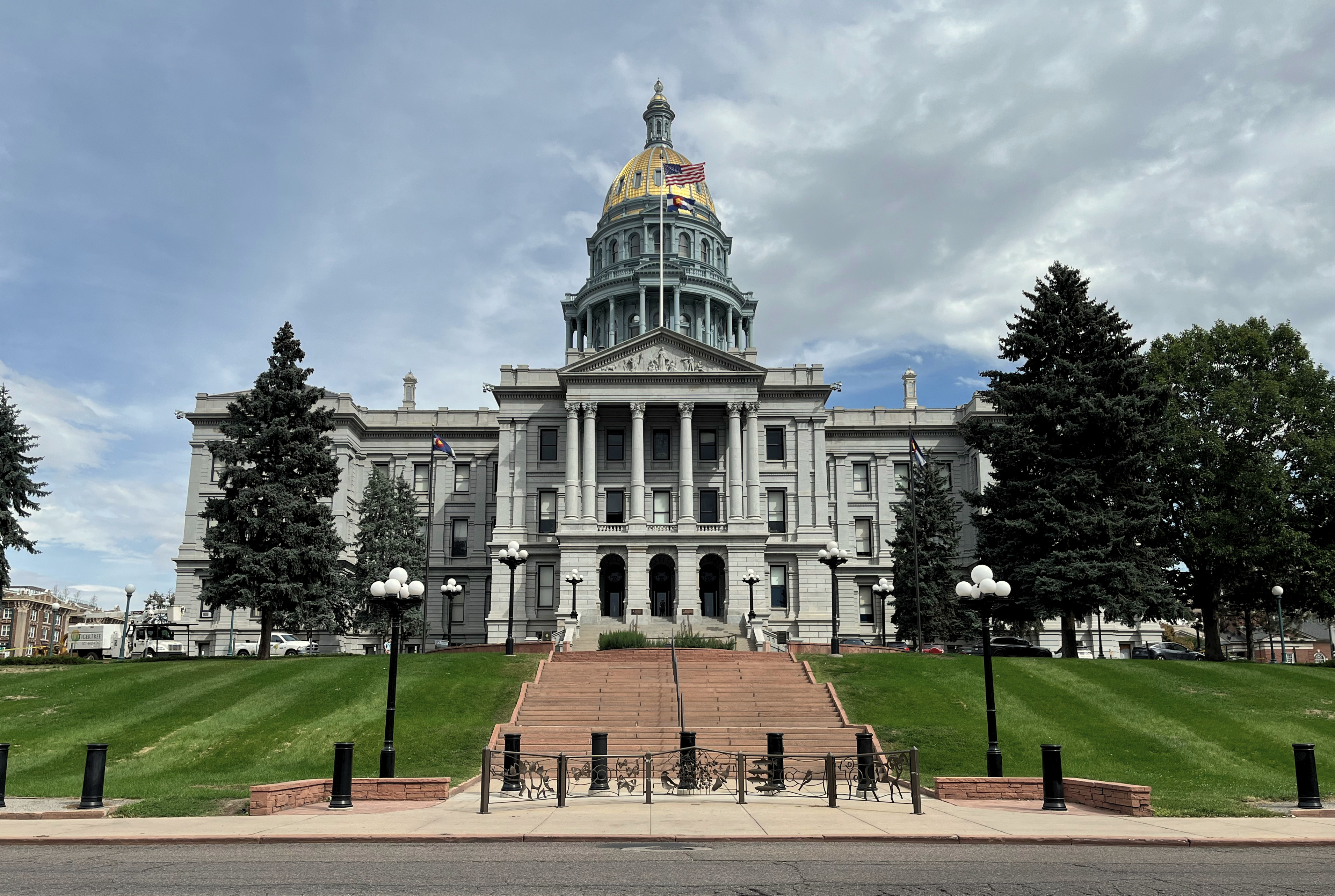
Colorado wants the heat beneath its feet
Colorado wants the heat beneath its feet
Sifted: Telura named one of seven geothermal startups to watch in 2026
Sifted: Telura named one of seven geothermal startups to watch in 2026
Collaborative effort will unlock geothermal energy
Collaborative effort will unlock geothermal energy


Follow our progress
Join our mailing list to stay in the loop of the latest developments.